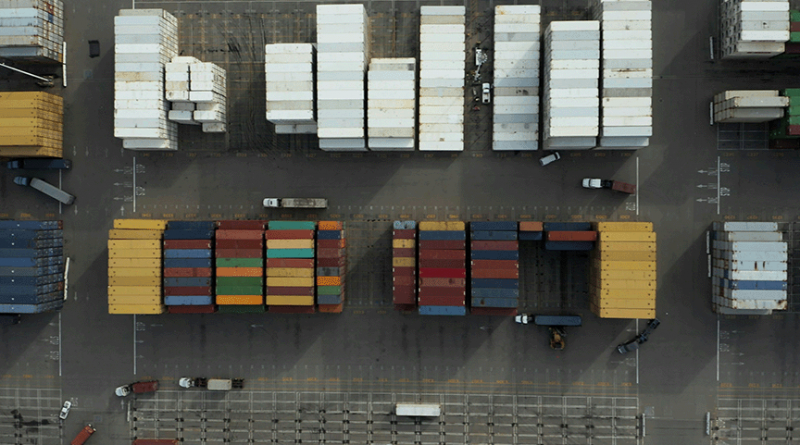
Relationship stickiness in international trade
Supply chains are vulnerable to disruptions. Julien Martin, Isabelle Mejean and Mathieu Parenti introduce a new measure of ‘relationship stickiness’ which quantifies these vulnerabilities
Read more
Supply chains are vulnerable to disruptions. Julien Martin, Isabelle Mejean and Mathieu Parenti introduce a new measure of ‘relationship stickiness’ which quantifies these vulnerabilities
Read more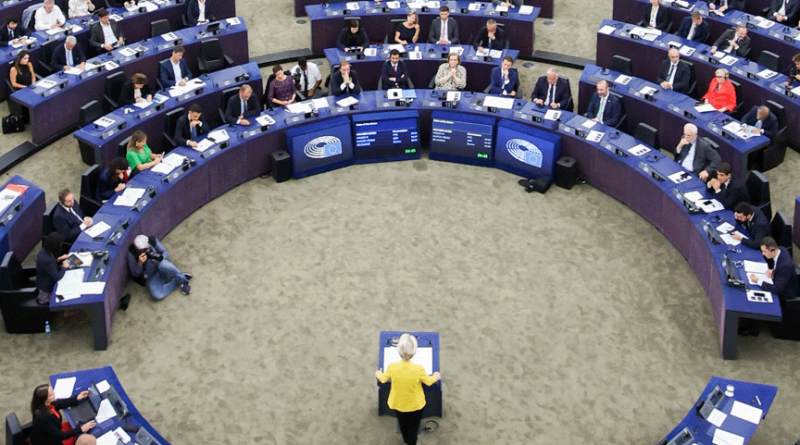
The European Commission put EU competitiveness at the top of the agenda. Filippo di Mauro and Marco Matani argue that productivity, financial soundness, and quality orientation are the most important factors
Read more
Globalisation is said to be on the retreat. Martina Di Sano, Vanessa Gunnella, and Laura Lebastard examine the data to see if we are heading to deglobalisation
Read more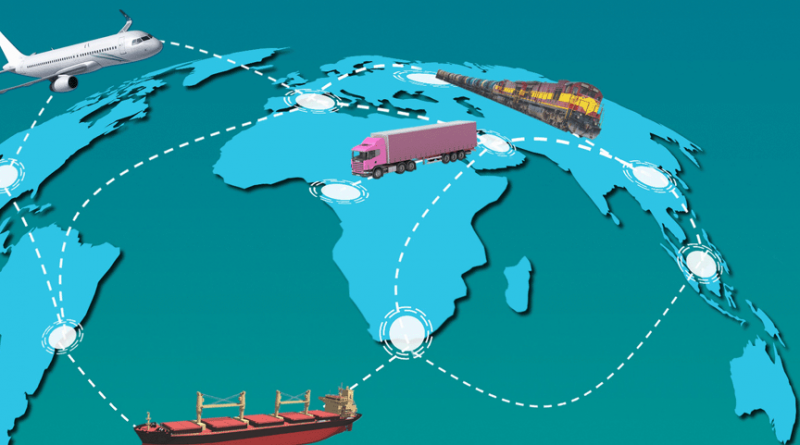
Supply disruptions during the pandemic raised concerns about supply chains. Cyrille Schwellnus, Antton Haramboure, and Lea Samek consider the resilience of global supply chains
Read more
Laura Lebastard, Marco Matani and Roberta Serafini examine the impact of COVID-19 supply disruptions on exporters in global value chains
Read more
Extreme weather events will become more frequent as global temperatures rise. Rikard Forslid and Mark Sanctuary analyse the impact of the 2011 Thailand flood on Swedish firms
Read more
Román Arjona, William Connell Garcia and Cristina Herghelegiu examine the EU’s dependencies in traded goods and find that the EU benefits greatly from its wide participation in international value chains
Read more
The much anticipated fourth industrial revolution hasn’t happened yet. Richard Markoff and Ralf Seifert discuss the many factors that have slowed the progress of industry 4.0
Read more
International trade is returning to pre-pandemic levels, but threats are emerging. Graham Bright discusses potential obstacles to trade
Read more
Niclas Poitiers and Pauline Weil argue that measures to safeguard semiconductor supplies proposed in the European Chips Act could prove to be wrongly focused and could tip over into harmful protectionism
Read more