
Climate risks remain monetary risks
As climate shocks continue to impact Europe’s economy, Uuriintuya Batsaikhan says outgoing ECB President Christine Lagarde’s successor must continue her work to mitigate them
Read more
As climate shocks continue to impact Europe’s economy, Uuriintuya Batsaikhan says outgoing ECB President Christine Lagarde’s successor must continue her work to mitigate them
Read more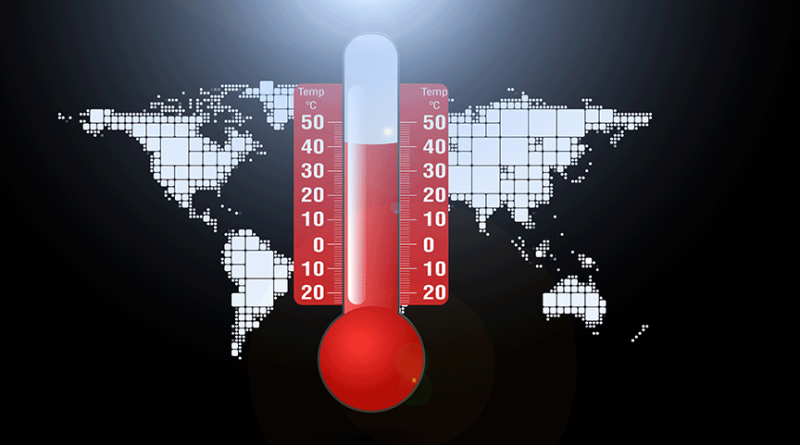
James Talbot explains how physical climate shocks affect inflation and output, and how central banks can assess and respond across two linked horizons: near-term monetary policy and the longer-term roles of resilience, adaptation, and insurance in supporting price and financial stability
Read more
The EU Circular Economy Act is being prepared by the European Commission. Roel Dom, Heather Grabbe and Costanza Greppi Maturana examine how EU tax policy can support the transition to a circular economy by correcting market failures and incentivising sustainable resource use
Read more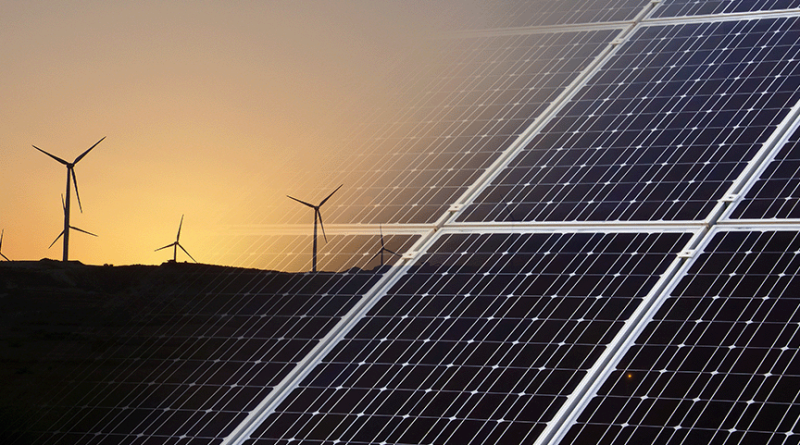
Solar and wind have become the cheapest sources of new electricity, yet Europe is now switching them off in record numbers. Natalia Fabra and Mar Reguant argue that the binding constraint on the energy transition is no longer technology but market design
Read more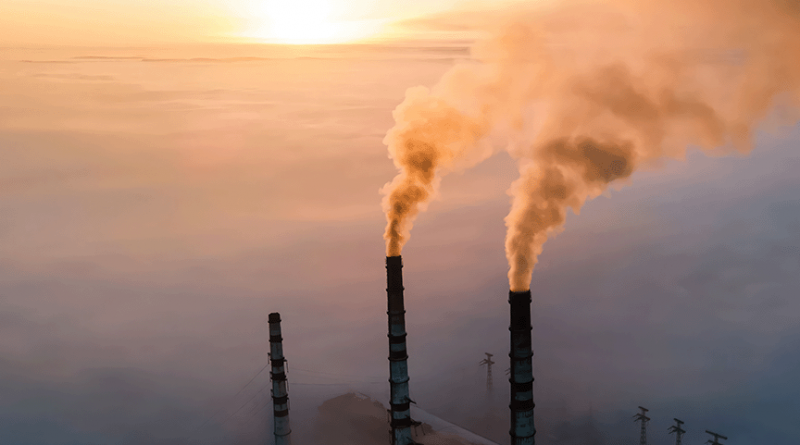
The Paris Agreement provides a framework for international carbon trading. Georg Zachmann and Annabelle Weisser discuss the many questions that will arise, and argue that international carbon credits can support the EU’s 2040 target if buyers’ club rules and leverage ensure real mitigation gains abroad
Read more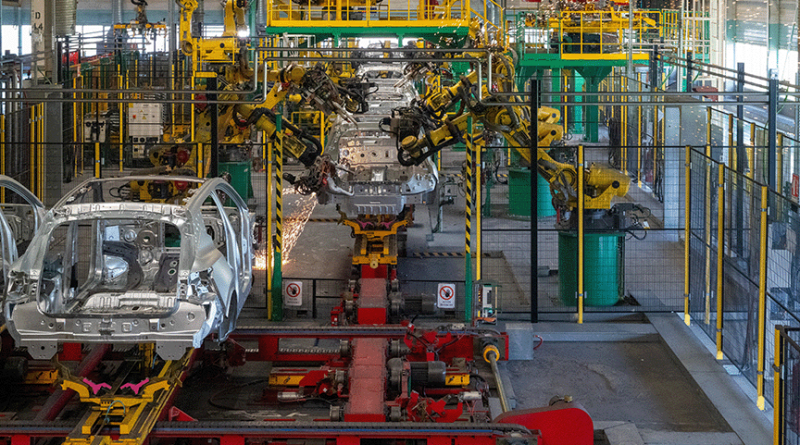
Europe is recalibrating its industrial policy in response to external challenges. Maive Rute, Frank Vandermeeren and Anca Dumitrescu investigate the goals of this recalibrated approach and the key components for success
Read more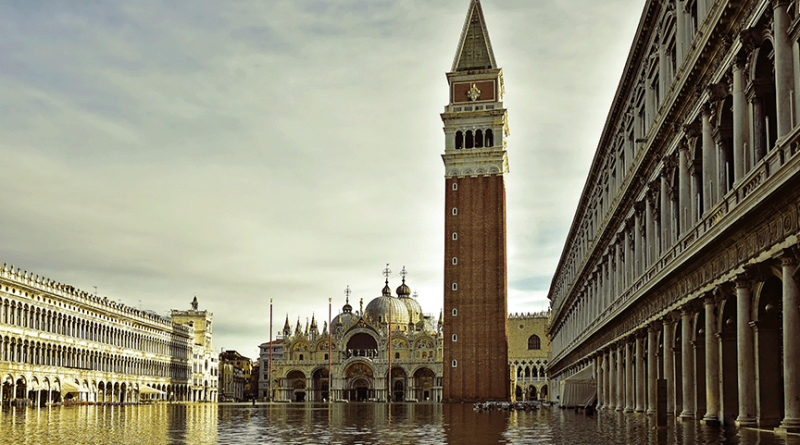
Global efforts to tackle the climate and nature crises have not progressed as hoped, says Christine Lagarde. This sharpens the case for deeper analysis from the research and central banking communities to better understand the risks to price and financial stability
Read more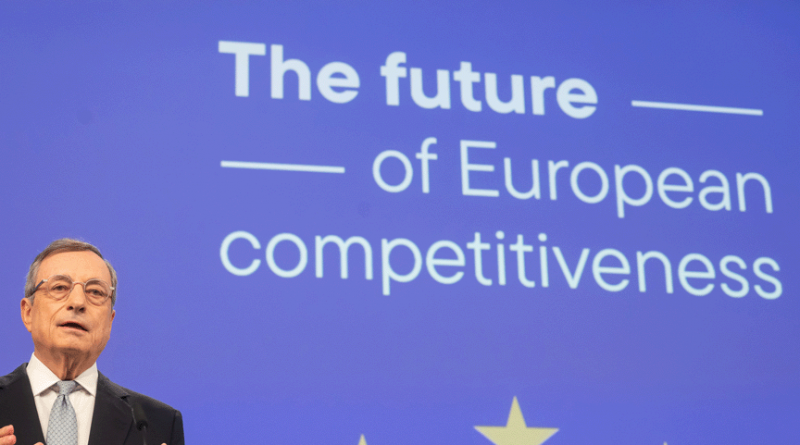
Governments across Europe are increasingly acting to help industry remain competitive without compromising EU climate policy. Stan Olijslagers, Corjan Brink, Xinyu Li, Rutger Teulings and Herman Vollebergh argue that both goals cannot be met using a single instrument
Read more
The global asset management industry is simultaneously growing and consolidating. Dirk Schoenmaker argues that US firms’ rise in EU asset management may weaken sustainable finance, making tougher stewardship, ESMA supervision and autonomy urgent
Read more
Can trade policy drive global climate action? Maximilian Fuchs and Camille Reverdy write that early experience of the EU carbon border adjustment mechanism shows trade can spread carbon pricing, but lower-income partners need support
Read more