Welcome to the WCR weekly update. World Commerce Review is the global trade and finance platform, discussing all things political, regulatory, technological, financial and, most importantly, the future

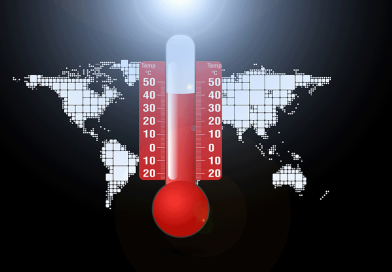
Physical shocks and economic resilience: a central bank perspective
James Talbot explains how physical climate shocks affect inflation and output, and how central banks can assess and respond across two linked horizons: near-term monetary policy and the longer-term roles of resilience, adaptation, and insurance in supporting price and financial stability

Beyond free trade and protectionism
Andrew Watt and Claes-Mikael Ståhl argue that trade policy has weakened unions and democracy, and propose an open, democratically governed, pro-worker economy where trade advances share social goals

This week’s featured stories 12 October – 18 October 2026…
Welcome to the WCR weekly update. World Commerce Review is the global trade and finance platform, discussing all things political, regulatory, technological, financial and, most importantly, the future
The ‘China problem’ and the WTO
Petros Mavroidis argues that bilateral pushback against China is failing, making joint WTO and IMF action key to tackling subsidies, under-consumption and an undervalued currency

Crisis controllers: how central banks navigate rapid change
The complex issues at the intersection of monetary policy, fiscal policy, financial markets, and regulation are reshaping the environment for central banks. In this period of radical change, Pablo Hernández de Cos examines their role in managing financial crises