Welcome to the WCR weekly update. World Commerce Review is the global trade and finance platform, discussing all things political, regulatory, technological, financial and, most importantly, the future


This week’s featured stories 21September – 27 September 2026…
Welcome to the WCR weekly update. World Commerce Review is the global trade and finance platform, discussing all things political, regulatory, technological, financial and, most importantly, the future
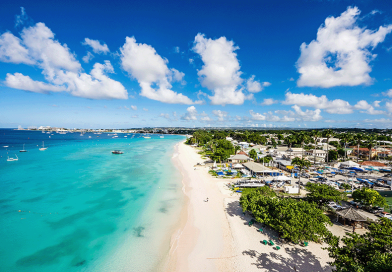
Barbados: a strategic base for global wealth
As traditional wealth centres overhaul their tax regimes, high-net-worth individuals are reassessing where to live, hold assets and plan for the future. Ava-Marissa Lee explains why Barbados is well positioned to meet their evolving needs

WCR Best Facilitator for Global Trade 2026
World Commerce Review is pleased to announce that Euro Exim Bank Limited has been awarded the WCR Best Facilitator for Global Trade 2026

The new geography of work
Professional life is becoming increasingly international. Malta’s Nomad Residence Permit gives non-EU nationals a clear residence framework that allows them to keep working remotely while living on a Mediterranean island. For global professionals, it also helps explain why Malta is increasingly seen not just as a temporary destination, but as a longer-term base

Barbados: a gateway to global business opportunities
Barbados is regarded as one of the Caribbean’s leading centres for global business, attracting companies that value certainty, strong institutions and a government committed to supporting investment