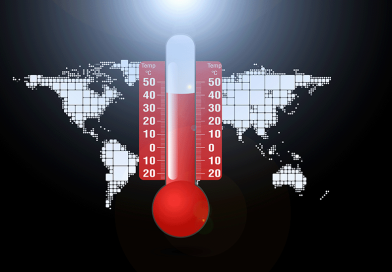
James Talbot explains how physical climate shocks affect inflation and output, and how central banks can assess and respond across two linked horizons: near-term monetary policy and the longer-term roles of resilience, adaptation, and insurance in supporting price and financial stability

Tax policy considerations for the circular economy
The EU Circular Economy Act is
being prepared by the European Commission. Roel Dom, Heather Grabbe and Costanza Greppi Maturana examine how EU tax policy can support the transition to a circular economy by correcting market failures and incentivising sustainable resource use
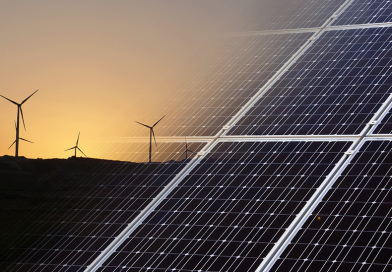
The energy transition: progress and challenges
Solar and wind have become the cheapest sources of new electricity, yet Europe is now switching them off in record numbers. Natalia Fabra and Mar Reguant argue that the binding constraint on the energy transition is no longer technology but market design
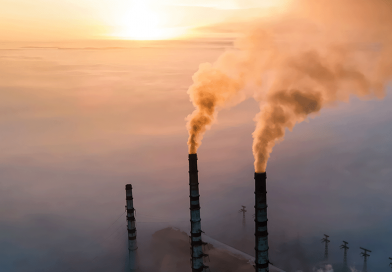
A strategic lever to boost global decarbonisation
The Paris Agreement provides a framework for international carbon trading. Georg Zachmann and Annabelle Weisser discuss the many questions that will arise, and argue that international carbon credits can support the EU’s 2040 target if buyers’ club rules and leverage ensure real mitigation gains abroad
How to get the green and the deal
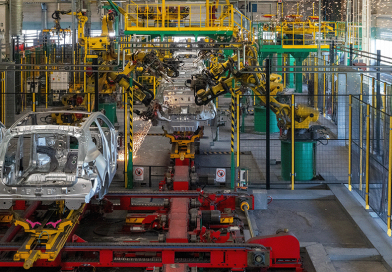
Europe is recalibrating its industrial policy in response to external challenges. Maive Rute, Frank Vandermeeren and Anca Dumitrescu investigate the goals of this recalibrated approach and the key components for success
Climate, nature and monetary policy
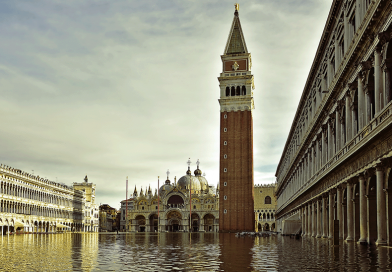
Global efforts to tackle the climate and nature crises have not progressed as hoped, says Christine Lagarde. This sharpens the case for deeper analysis from the research and central banking communities to better understand the risks to price and financial stability