
Professional life is becoming increasingly international. Malta’s Nomad Residence Permit gives non-EU nationals a clear residence framework that allows them to keep working remotely while living on a Mediterranean island. For global professionals, it also helps explain why Malta is increasingly seen not just as a temporary destination, but as a longer-term base
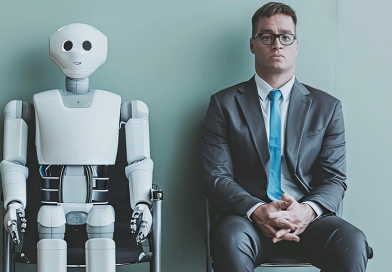
AI takeover or slow grind?
Will AI suddenly transform the economy and upend our lives? Or is the prospect more mundane? Patrick Minford considers the effects of earlier systemic innovations and believes AI is unlikely to be different from other technology revolutions

The billionaire paradox
Are American tech billionaires adversaries or role models for Europe? Rebecca Christie writes that the EU should ask what it wants from globally influential tech magnates, not just how to curb them
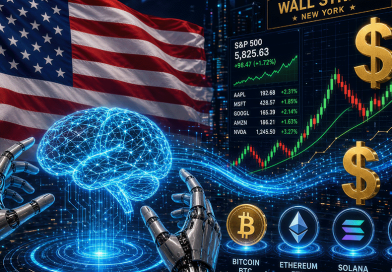
How the rise of AI matters for fiscal policy
Predictions of the effects of AI on the economy and society tend to focus on productivity growth, job losses, and shifts in the distribution of income. Karen Dynan, Douglas Elmendorf and Louise Sheiner examine various potential scenarios for the macroeconomic effects of AI on US fiscal policy
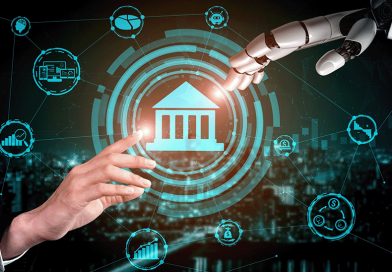
AI and financial inclusion
AI has the potential to transform lives and the US economy. Michael Barr warns that artificial intelligence could dramatically narrow or widen economic inequality in the US, depending on the policy choices society makes in the coming years
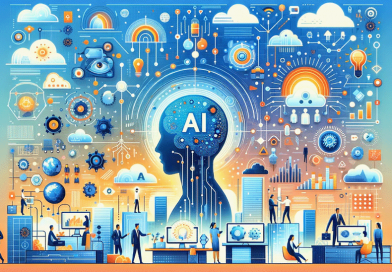
AI challenges how businesses operate
AI is challenging how businesses operate. Jonathan Sharp says that organisations must rethink how decisions are made, not just who makes them, but how they are triggered, validated and executed to ensure a successful implementation strategy