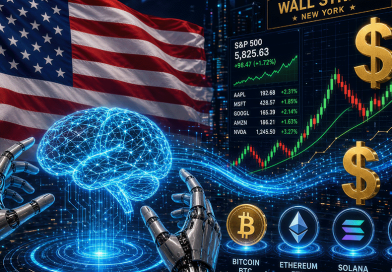
Predictions of the effects of AI on the economy and society tend to focus on productivity growth, job losses, and shifts in the distribution of income. Karen Dynan, Douglas Elmendorf and Louise Sheiner examine various potential scenarios for the macroeconomic effects of AI on US fiscal policy

AI and financial inclusion
AI has the potential to transform lives and the US economy. Michael Barr warns that artificial intelligence could dramatically narrow or widen economic inequality in the US, depending on the policy choices society makes in the coming years
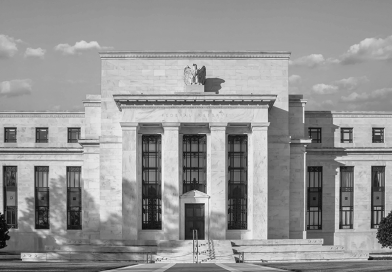
Modernizing financial regulation
The financial system is constantly evolving, and the regulatory and supervisory framework must keep pace. Michelle Bowman discusses the work of the US and urges global financial watchdogs to be flexible

Redrawing the global trade map
Liberation Day raised an immediate question in policy circles: would other countries follow suit? Barthélémy Bonadio, Andrei Levchenko and Nitya Pandalai-Nayar study the implications of the US withdrawal from free trade
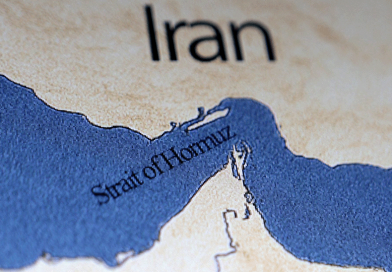
A way out via the Strait of Hormuz
The US–Iran relationship appears to be at its lowest point in decades. Simon Johnson and Amir Kermani describe how the twin blockades of the Strait of Hormuz create the possibility of a time-consistent agreement linking the nuclear issue, sanctions relief, and uninterrupted navigation
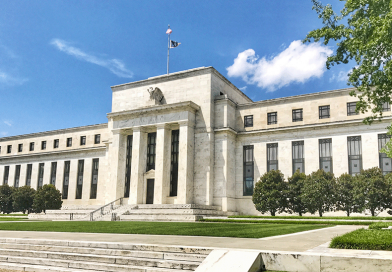
Updating the Fed for the modern world
Christopher Waller emphasises the need for the Federal Reserve to modernise its operations to adapt to a changing world. This includes reducing costs, effectively managing risk, and delivering value to the American taxpayer