The EU Circular Economy Act is
being prepared by the European Commission. Roel Dom, Heather Grabbe and Costanza Greppi Maturana examine how EU tax policy can support the transition to a circular economy by correcting market failures and incentivising sustainable resource use

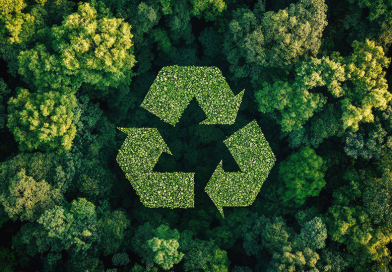
Tax policy considerations for the circular economy
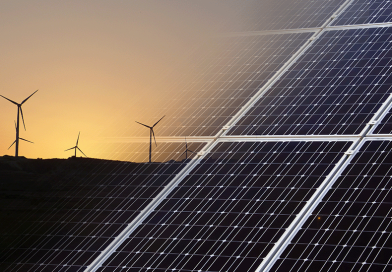
The energy transition: progress and challenges
Solar and wind have become the cheapest sources of new electricity, yet Europe is now switching them off in record numbers. Natalia Fabra and Mar Reguant argue that the binding constraint on the energy transition is no longer technology but market design
The new geography of work
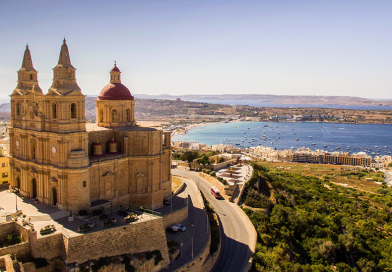
Professional life is becoming increasingly international. Malta’s Nomad Residence Permit gives non-EU nationals a clear residence framework that allows them to keep working remotely while living on a Mediterranean island. For global professionals, it also helps explain why Malta is increasingly seen not just as a temporary destination, but as a longer-term base

Export control: compliance enforcement trends in the UK and EU
There is a growing trend for export control authorities across Europe to increase focus on what happens after an export licence is issued. Steven Farmer, Iris Karaman and Katy Burgess advise on what businesses should do next
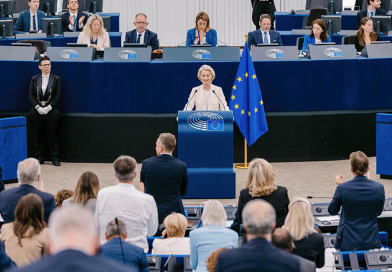
Securing European prosperity
In the State of the Union address, Ursula von der Leyen shared the key priorities and flagship projects for the year to come, building on the progress the EU has made in recent years and setting out the priorities for the year ahead and her vision for a stronger, more independent and resilient European Union

A new age of capital: growth, sovereignty and AI
AI is the project that could drive European capital markets forward to channel savings where they are needed, says Christine Lagarde. It needs capital on a scale that only markets can provide, and the stakes for Europe could hardly be higher