Can AI change economic logic and bring abundance for all?
Daniel Daianu asks if AI can address imbalances between needs and resources sustainably by bringing about abundance for all?
Read more

Daniel Daianu asks if AI can address imbalances between needs and resources sustainably by bringing about abundance for all?
Read more
To ensure the euro’s role in Europe’s future Fabio Panetta argues that we need effective macroeconomic stability, a fully-fledged banking and capital market union, and a dynamic payments and market infrastructure
Read more
Growth in the euro area needs to be revitalised. Reinhard Felke, Mirko Licchetta, Nicolas Philiponnet and Maarten Verwey argue that it is essential to boost investment and foster innovation
Read more
Paschal Donohoe, Christine Lagarde, Roberta Metsola, Charles Michel and Ursula von der Leyen look back at the success of the euro and assert that the world needs an integrated Europe
Read more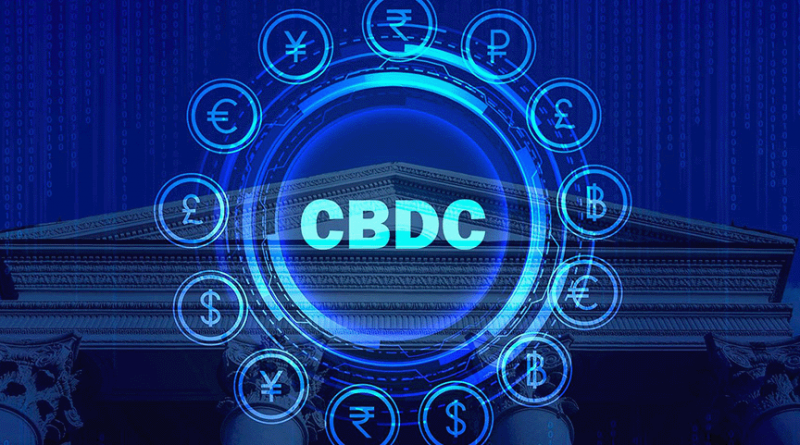
Technological change has been fast and foundational. Cecilia Skingsley discusses innovation and the future of central bank digital currencies
Read more
The move to a net zero future entails profound changes for societies and economies. Ivana Popovic, Alexandre Köberle and Michael Wilkins discuss a just transition with a particular focus on the financial sector
Read more
Monetary policy is too important to rely on trial and error. Klaas Knot argues that central banks need data and research to fulfil their mandate, so that they can do the best possible job
Read more
Innovations in money and payments continue to be of primary importance. Michelle Bowman caution against solutions that could disrupt and disintermediate the banking system
Read more
Sabine Mauderer argues that reducing uncertainty about climate change will help us to embrace the opportunities of the green transition
Read more
The digital transformation will continue. Joachim Nagel discusses productivity, competition and stable money in the digital age
Read more