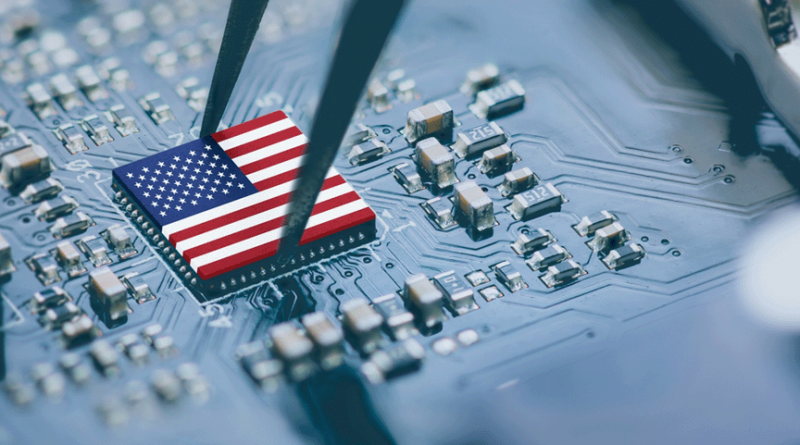
The new economics of industrial policy
Industrial policy is at the heart of modern economic policy. Réka Juhász, Nathaniel Lane and Dani Rodrik assess the latest research and consider how to do industrial policy well
Read more
Industrial policy is at the heart of modern economic policy. Réka Juhász, Nathaniel Lane and Dani Rodrik assess the latest research and consider how to do industrial policy well
Read more
Improving competition in digital markets is a priority for the governments in both the United States and Europe. Fiona Scott Morton considers how Amazon’s alleged conduct controls prices on rival marketplaces
Read more
Jonathan Sharp examines the role of artificial intelligence in business, and argues that corporate leaders now need to embrace AI in the workplace
Read more
The EU is insecure about its tech inferiority. Fiona Scott Morton and Cameron Steger argue that Europe can improve its innovation systems, but should not try to copy the US approach
Read more
Banri Ito and Eiichi Tomiura use a survey of Japanese firms in 2019 and 2021 to examine the dynamics of corporate activities related to crossborder data flows
Read more
Innovations in money and payments continue to be of primary importance. Michelle Bowman caution against solutions that could disrupt and disintermediate the banking system
Read more
The European Commission put EU competitiveness at the top of the agenda. Filippo di Mauro and Marco Matani argue that productivity, financial soundness, and quality orientation are the most important factors
Read more
Sabine Mauderer argues that reducing uncertainty about climate change will help us to embrace the opportunities of the green transition
Read more
The digital transformation will continue. Joachim Nagel discusses productivity, competition and stable money in the digital age
Read more
International governance has brough indisputable benefits, but mistrust has grown. Christine Lagarde calls for policymakers to focus on citizens’ priorities whilst being courageous and accountable
Read more