
This week’s featured stories 27 July – 2 August 2026…
UNCTAD Global Trade Update (July/August 2026)
Global trade remains resilient and is expanding, though unevenly and with rising price pressures. Momentum is expected to continue in H2, but geopolitical risks, Strait of Hormuz issues, and fragmentation create uncertainty
Global goods trade resilient in the first quarter of 2026 despite war in Middle East
World merchandise trade growth exceeded expectations in the first quarter of 2026 as surging trade in electronic components related to artificial intelligence (AI) offset the negative impact of the conflict in the Middle East, which began in the final month of the quarter
António Guterres’ remarks on climate change and extreme heat
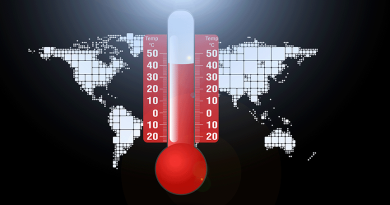
Highlighted accelerating climate crisis with extreme heat. WMO forecasts show a strengthening El Niño (Pacific waters unusually warm early) expected to intensify from August–October. Nearly every land area projected hotter than normal; impacts on rainfall patterns (eg. weaker Indian monsoon) raise serious concerns
Saving global economic governance from the ‘Trump shock’
Creon Butler argues that rules-supporting countries should build a durable ‘third pole’ (initially EU + CPTPP-based) to sustain rules-based economic governance without relying on the US or China
A constructive path to sustainable trade reform
Jacob Taylor and Kershlin Krishna call for a constructive, coalition-of-the-willing path that updates the trading system for climate, development, and broader participation rather than waiting for full consensus
China’s new decrees manufacture an opening for India
Aparna Divya considers China’s State Council decrees restricting supply chain diversification and argues that India can turn the moment to its advantage by moving beyond assembly-led growth toward genuine industrial depth through localised supply chains, technological partnerships and reduced dependence on Chinese inputs
From Thucydides to Trump: three traps the world should avoid
The Thucydides trap, where a rising power raises anxiety in an incumbent one, was cited by China’s President Xi Jinping as one to avoid. Warren Fernandez says there are other risks too, such as an absence of any power able or willing to provide global public goods, known as the Kindleberger trap and says, as seen in recent events, this is causing some anxiety about what comes next for global order
As the world takes a geoeconomic turn, how can the Global Majority leverage their collective agency to maintain their economic resilience and shield themselves from further disruption?