The cause of economic stagnation
Economic growth depends on free market policies. Patrick Minford argues that the UK’s economic stagnation is not caused by Brexit but by damaging government policies
Read more

Economic growth depends on free market policies. Patrick Minford argues that the UK’s economic stagnation is not caused by Brexit but by damaging government policies
Read more
EU member states may now exceed deficit limits if the borrowing finances defence. Paolo Surico proposes exempting innovation-related expenditure, rather than procurement, to raise long-run growth while maintaining fiscal responsibility and strategic autonomy
Read more
AI is transforming finance faster than the authorities can adapt. Jon Danielsson argues that while AI enhances the financial system’s efficiency, it also poses new, poorly understood risks, and ineffective supervision will mean a higher risk of financial crisis
Read more
In 2025 the US government underwent a large fiscal switch. Kimberly Clausing and Maurice Obstfeld evaluate tariffs as a broad tool of fiscal policy, reviewing both tax policy and macroeconomic considerations, and concludes that this fiscal switch will leave most Americans worse off
Read more
Andrew Bailey reflects on the reforms made to the financial system since the 2008 financial crisis. He addresses the challenges these reforms face in an ever-changing world and says the regulatory system of the future must be constantly assessed and adapted as needed
Read more
The US administration’s approach to financial markets mixes deregulatory policies with a range of other policies that are largely without precedent. Gary Gensler, Lev Menand and Joshua Younger catalogue the relevant policy shifts and consider how these shifts may impact financial stability, capital markets, and the global dollar system
Read more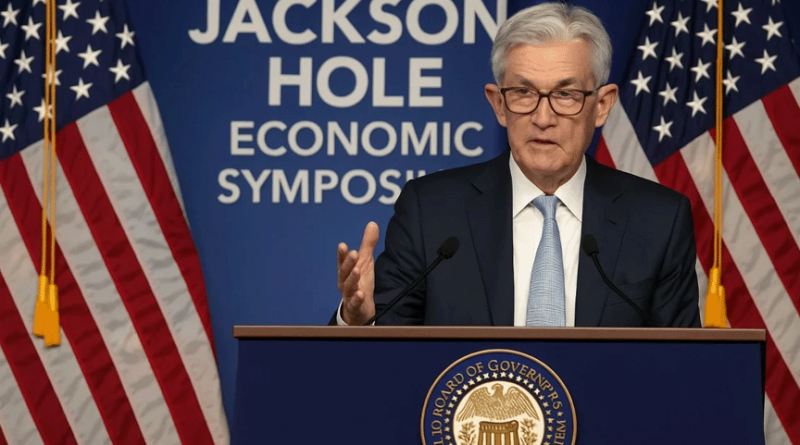
The US economy has shown resilience in a context of sweeping changes in economic policy. Jerome Powell says inflation and the hiring slowdown are creating challenging conditions and that balance of risks is changing
Read more
It’s a time of profound change – technological, geopolitical, environmental. Sarah Breeden shares some real world examples of how risks to price and financial stability from climate change are emerging now, and how they might grow going forward
Read more
President Trump’s sweeping ‘reciprocal tariffs’ sent shockwaves through the global economy. Maarten Verwey and Kristian Orsini introduce the European Commission’s Spring 2025 Forecast, which depicts a resilient European economy
Read more
We live in a world where big economic shocks can test the strength and resilience of the framework for monetary policy. Andrew Bailey discusses monetary policy in a world with big shocks, describing how scenario analysis can enrich monetary policy deliberations
Read more