Building European autonomy
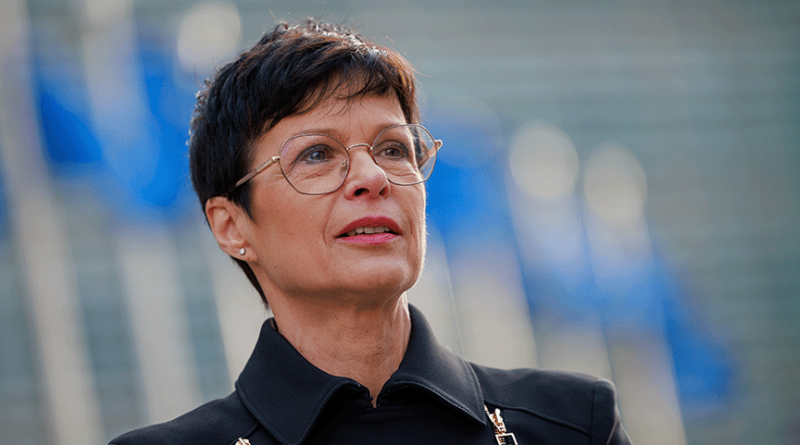
Rule of law is not the enemy of autonomy; it is its foundation. Christine Lagarde says the EU can pursue its policy choices because they are framed by legal commitments that others recognise and respect
Read moreRule of law is not the enemy of autonomy; it is its foundation. Christine Lagarde says the EU can pursue its policy choices because they are framed by legal commitments that others recognise and respect
Read moreThere is a growing push for the European Commission to weaken merger control. Natalia Fabra, Massimo Motta and Martin Peitz argue for a strengthening of the guidelines and offer suggestions to guide the process
Read moreIn the age of AI, we may need to start thinking differently about hazardous jobs. Ben Wray discusses the growing evidence of mental ill-health in content moderation and the need to protect the rights of click workers
Read moreThe world is drifting toward a fragmented trade environment defined by subsidies, retaliation and industrial duplication. Jianwei Xu discusses how the world is moving into a period of entrenched manufacturing overcapacity, threatening deflation and stagnant growth
Read moreAs the world continues its digital transformation, the ECB is moving toward the launch of the digital euro – a central bank-issued currency that offers a universal, secure payment method for everyday use. Piero Cipollone discusses how a digital euro would support Europe’s strategic autonomy and monetary sovereignty
Read moreClean industrialisation is a political and economic priority for the EU. Ben McWilliams, Simone Tagliapietra and Jeromin Zettelmeyer argue that importing energy-intensive goods would be more efficient for EU clean industry goals than importing clean energy itself
Read moreThe EU and India both rank among the world’s five largest economies. Ignacio García Bercero and André Sapir offer a broad perspective on the EU-India trade relationship and argue the time is right to make a European Union-India trade deal happen
Read moreThe planet’s future depends increasingly on emerging and developing economies. Jean Pisani-Ferry, Beatrice Weder di Mauro and Jeromin Zettelmeyer argue that a four-pillar strategy could align key climate and economic goals into global trade
Read moreGlobal political tensions have amplified economic uncertainty. Roberta Arbolino and Paolo Di Caro evaluate the negative implications for consumption, investment, and saving decisions, and for the effectiveness of structural policies
Read moreThere are moments when foundations that seem unbreakable begin to shift, says Christine Lagarde. She believes the euro could become a viable alternative to the dollar, earning the EU immense benefits, if governments could strengthen the bloc’s financial and security architecture
Read more