
In need of further thinking
Andrew Bailey argues that modern central bank independence is well-defined for monetary policy but incomplete, and highlights the challenges for a central bank’s financial stability mandate
Read more
Andrew Bailey argues that modern central bank independence is well-defined for monetary policy but incomplete, and highlights the challenges for a central bank’s financial stability mandate
Read more
The global economy has shown resilience despite heightened uncertainty, supply side shocks, and geopolitical risks, but downside risks remain significant. Andrew Bailey says that sustaining growth and financial stability will require innovation, openness, international cooperation, and strong global institutions
Read more
Christine Lagarde states we can take comfort in having overcome a large inflation shock after the pandemic, and in how the economy has coped so far with an upheaval in trade relations, but warns we must remain alert to possible new shocks that may still lie ahead
Read more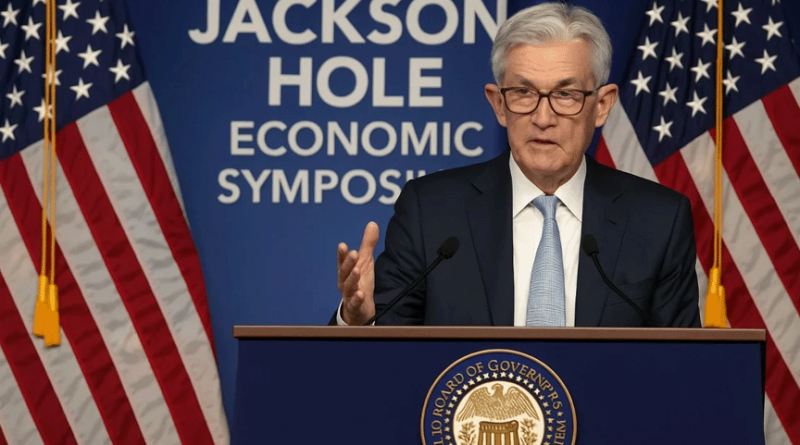
The US economy has shown resilience in a context of sweeping changes in economic policy. Jerome Powell says inflation and the hiring slowdown are creating challenging conditions and that balance of risks is changing
Read more
We live in a world where big economic shocks can test the strength and resilience of the framework for monetary policy. Andrew Bailey discusses monetary policy in a world with big shocks, describing how scenario analysis can enrich monetary policy deliberations
Read more
Patrick Minford discusses the deep hole that UK governments have dug for the British economy, and considers what can be done to return the United Kingdom to growth
Read more
Donald Trump has promised a raft of new tariffs, prompting concerns about a concomitant increase in inflation. Diego Comin and Robert Johnson argue that tariffs do not necessarily raise inflation, which is a macroeconomic phenomenon
Read more