
Euro area reform and democratic legitimacy
Stefano Micossi discusses the European Commission’s orientations for a revised economic governance in the EU
Read more
Stefano Micossi discusses the European Commission’s orientations for a revised economic governance in the EU
Read more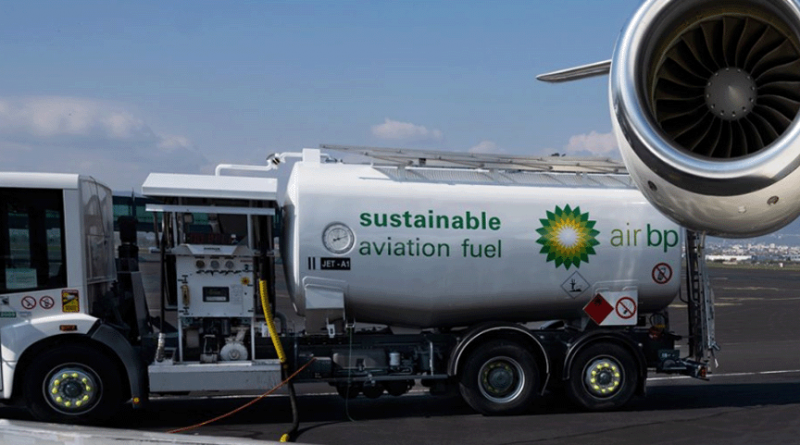
Sustainability is a top priority. Ed Bolen showcases business aviation’s global importance and sustainability focus
Read more
The proposed EU Data Act on industrial and non-personal data should be simpler and clearer, or the benefits could be limited, Bertin Martens argues
Read more
The UN warns that the transition from fossil fuels to renewable energy sources will have to be ramped up. Danielle Marais discusses the role African mineral resources will have to play in the transition
Read more
Maarten Verwey and Oliver Dieckmann discuss the Commission’s Winter 2023 Economic Forecast and describe how the EU economy is set to escape recession
Read more
The euro area suffers from a relative lack of euro-denominated safe assets. Tilman Bletzinger, William Greif and Bernd Schwaab evaluate the prospects of EU-issued bonds for becoming a supranational euro-denominated safe asset
Read more
Agustín Carstens considers the reach of large technology in the finance sector and the implications for public policy
Read more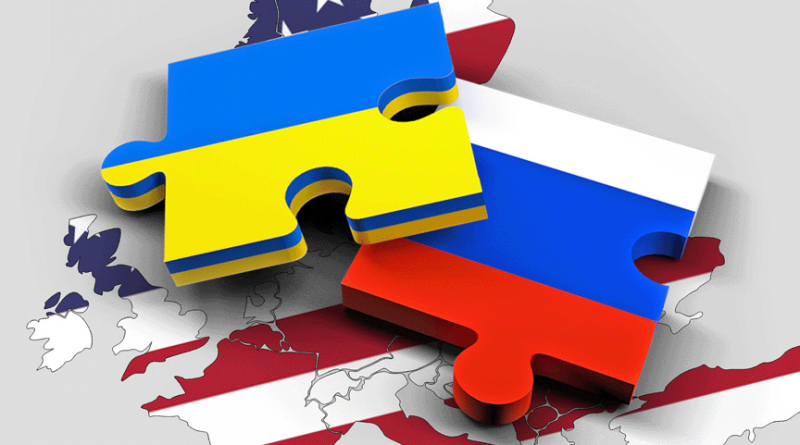
Hanno Lustig argues that there is a clear self-interested fiscal rationale for Europe to invest more in its own defence, starting by stepping up its aid to Ukraine
Read more
The growing impact of global warming reminds us of the urgency of the green transition. Bo Li argues that without decisive action things are set to get worse
Read more
Reconciling international subsidy rules with industrial decarbonisation. David Kleimann argues that environmental subsidies could be justified
Read more