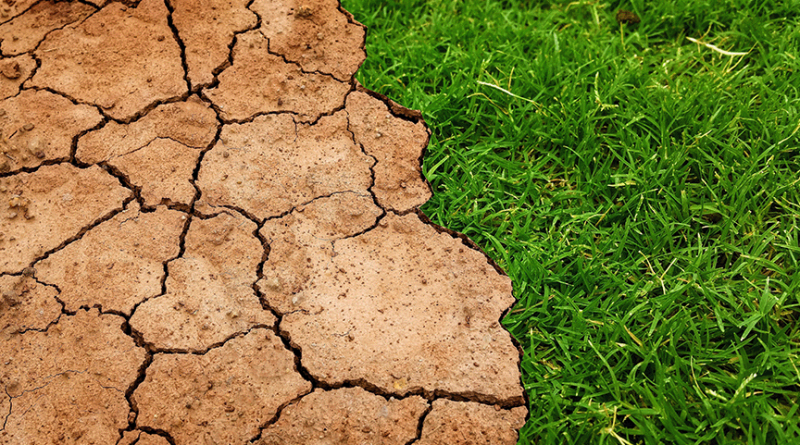

Nature in decline, economy on the line
Nature is the economy’s life support system, and it is under strain. Frank Elderson calls for stronger global cooperation to tackle nature related financial risks
Read moreNature is the economy’s life support system, and it is under strain. Frank Elderson calls for stronger global cooperation to tackle nature related financial risks
Read moreClimate and transition shocks increasingly shape the macroeconomic outlook and financial risks. James Talbot sets out the Bank of England’s approach to assessing and managing climate impacts across its core objectives
Read moreIt’s a time of profound change – technological, geopolitical, environmental. Sarah Breeden shares some real world examples of how risks to price and financial stability from climate change are emerging now, and how they might grow going forward
Read moreClimate change is affecting weather and climate extremes in every region across the globe. Caspar Siegert and James Talbot review some prominent examples of central banks having adjusted their monetary policy operations to account for climate factors
Read moreGovernments across the world are implementing policies to transition their economies to net zero. Solveig Erlandsen Sui-Jade Ho, Danae Kyriakopoulou, Arjun Mahalingam and James Talbot introduce a framework to assist central banks to understand the macroeconomic effects of the green transition
Read moreClimate change is intensifying, generating more frequent and severe extreme weather events. Lukasz Krebel, Danae Kyriakopoulou and James Talbot examine the implications of severe weather events for the economy and monetary policy
Read moreThe social cost of carbon has been a critical component in shaping climate policy. Christoph Hambel, Ton van den Bremer and Frederick Van Der Ploeg propose a new way to price carbon
Read moreRecent research suggests that the impact of climate change on economic output might have been underestimated. Senne Aerts, Livio Stracca and Agnieszka Trzcinska highlight advances in understanding and measuring the economic impact of climate change and the remaining uncertainties
Read moreClimate and nature-related risks are significant financial risks. Frank Elderson argues that they therefore fall within the respective mandates of central banks and supervisors – to preserve price stability and ensure the safety and soundness of banks
Read moreBerg et al argue that it would be welfare-enhancing if policy changes were to follow a predictable longer-term path, and suggest a role for financial regulation in the transition
Read more