Welcome to the WCR weekly update. World Commerce Review is the global trade and finance platform, discussing all things political, regulatory, technological, financial and, most importantly, the future


This week’s featured stories 21September – 27 September 2026…
Welcome to the WCR weekly update. World Commerce Review is the global trade and finance platform, discussing all things political, regulatory, technological, financial and, most importantly, the future
This week’s featured stories 14 September – 20 September 2026…
Welcome to the WCR weekly update. World Commerce Review is the global trade and finance platform, discussing all things political, regulatory, technological, financial and, most importantly, the future

Export control: compliance enforcement trends in the UK and EU
There is a growing trend for export control authorities across Europe to increase focus on what happens after an export licence is issued. Steven Farmer, Iris Karaman and Katy Burgess advise on what businesses should do next

Data centres are laying the next financial mine
Yash Kalash argues that the AI infrastructure boom is creating financial transmission mechanisms reminiscent of past crises—not because AI will fail, but because its financing may not endure long enough to repay the infrastructure built around it
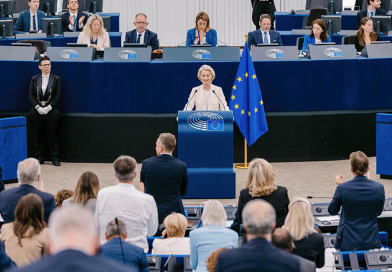
Securing European prosperity
In the State of the Union address, Ursula von der Leyen shared the key priorities and flagship projects for the year to come, building on the progress the EU has made in recent years and setting out the priorities for the year ahead and her vision for a stronger, more independent and resilient European Union