AI-driven productivity means maintaining quality, not simply producing more work. Jonathan Sharp shares practical tips for making AI your collaborator rather than letting it do the work for you


Data centres are laying the next financial mine
Yash Kalash argues that the AI infrastructure boom is creating financial transmission mechanisms reminiscent of past crises—not because AI will fail, but because its financing may not endure long enough to repay the infrastructure built around it

A new age of capital: growth, sovereignty and AI
AI is the project that could drive European capital markets forward to channel savings where they are needed, says Christine Lagarde. It needs capital on a scale that only markets can provide, and the stakes for Europe could hardly be higher
AI takeover or slow grind?
Will AI suddenly transform the economy and upend our lives? Or is the prospect more mundane? Patrick Minford considers the effects of earlier systemic innovations and believes AI is unlikely to be different from other technology revolutions

The billionaire paradox
Are American tech billionaires adversaries or role models for Europe? Rebecca Christie writes that the EU should ask what it wants from globally influential tech magnates, not just how to curb them
Europe’s regulatory double bind
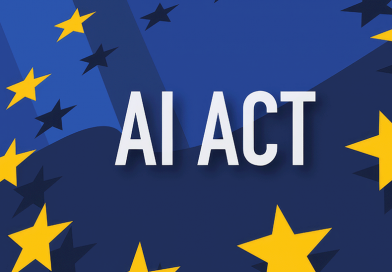
The EU’s AI Act was supposed to enter into full effect on 2 August 2026. But while the transparency layer has come into effect, its high-risk regime has been delayed. Marco Perugini argues that the result is a double bind in which Europe loses regulatory sovereignty whether it enforces its own rules or retreats from them