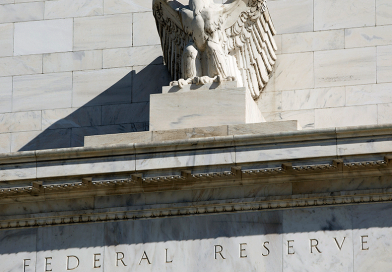
Uuriintuya Batsaikhan discusses the outline plan to reduce stigma associated with short-term borrowing from the Federal Reserve, and argues that the reform package may be doing banks too many favours, and risks amplifying liquidity risk, potentially threatening more bank failures


Preparing Europe for digital finance
A new phase of digital finance is taking shape, says Piero Cipollone. The ECB aims to achieve an integrated European market for digital assets, with safe central bank money as the backbone of the system

Nature in decline, economy on the line
Nature is the economy’s life support system, and it is under strain. Frank Elderson calls for stronger global cooperation to tackle nature related financial risks

The cause of economic stagnation
Economic growth depends on free market policies. Patrick Minford argues that the UK’s economic stagnation is not caused by Brexit but by damaging government policies

What will AI mean for the labour market?
AI looks increasing likely to become what technologists call a general-purpose technology. Michael Barr discusses the rapid evolution of AI and the potential impact of generative AI on the labour market and the economy
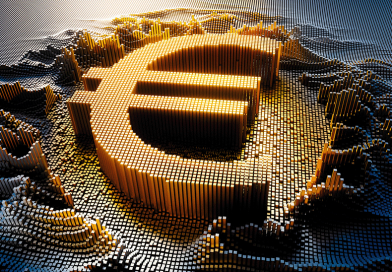
Europe and monetary sovereignty
Europe must not take its monetary sovereignty for granted in a world undergoing geopolitical and technological changes, says Piero Cipollone. Reducing excessive dependencies in payments and finance is key for resilience, competitiveness and economic security