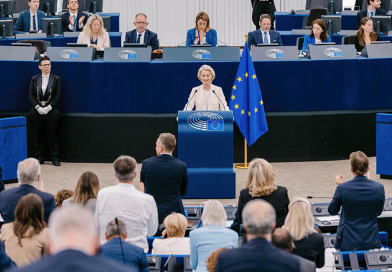
In the State of the Union address, Ursula von der Leyen shared the key priorities and flagship projects for the year to come, building on the progress the EU has made in recent years and setting out the priorities for the year ahead and her vision for a stronger, more independent and resilient European Union

A new age of capital: growth, sovereignty and AI
AI is the project that could drive European capital markets forward to channel savings where they are needed, says Christine Lagarde. It needs capital on a scale that only markets can provide, and the stakes for Europe could hardly be higher

Europe’s federated democratic learning state
Europe is moving towards invoice-level electronic VAT reporting. Thiemo Fetzer argues that, with AI-assisted processing of the information contained in electronic VAT invoices, the tax system can become not just a compliance and revenue-raising instrument, but a protected intelligence map of the economy
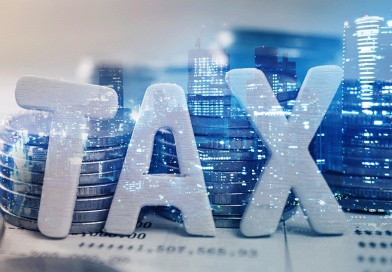
Europe’s corporate tax trilemma
The EU’s implementation of global anti-tax avoidance rules and the global minimum tax is widely regarded as a success. Madalena Barata da Rocha, Roel Dom, Pascal Saint-Amans and Bo Sangers consider the trilemma between tax sovereignty, revenue protection and investment neutrality that has emerged

From vision to delivery
The ECB wants central bank money to serve as the monetary anchor for tokenised markets. Piero Cipollone calls for common standards, central bank money and coordinated regulation to prevent blockchain-based finance from becoming a collection of disconnected platforms

The billionaire paradox
Are American tech billionaires adversaries or role models for Europe? Rebecca Christie writes that the EU should ask what it wants from globally influential tech magnates, not just how to curb them